The UAE has free zones scattered across every emirate. These zones offer businesses special tax treatment. Some pay zero tax. Others pay 9%. Understanding which applies to you matters for your bottom line.
Free zone tax rules are different from mainland rules. Tax services for free zone companies in the UAE help you navigate these differences. They’re also different from each other. One free zone might have different terms than another. But the basic framework is consistent across the UAE.
The 0% rate and who gets it
The golden rule in free zones is simple: if you earn income from activities outside the UAE, you pay zero tax. Foreign-source income escapes the 9% corporate tax rate. You generate revenue internationally, and the free zone doesn’t tax it.
This is why so many trading and service companies operate from free zones. A company that buys goods globally and sells them globally can achieve near-zero tax liability. An IT consulting firm that serves international clients operates tax-free. A trading business based in a free zone that sources and sells globally benefits massively.
The key word is “foreign-source.” Your income must come from outside the UAE. Revenue from UAE customers is treated differently.
Income earned inside the UAE triggers the 9% rate regardless of your free zone status. This is where misconceptions creep in. Business owners think “free zone” means “no tax ever.” It doesn’t. It means “no tax on foreign-source income.”
QFZP status and qualifying income
QFZP stands for Qualifying Free Zone Person. It’s a special status that affects tax treatment. Not every free zone company is automatically a QFZP. You need to meet specific conditions.
QFZP status is important because it protects certain income types. If you’re a QFZP, your qualifying income is untaxed. If you’re not a QFZP, some income that would otherwise be untaxed becomes taxable.
The definition of QFZP is technical. Generally, your company must be set up in a free zone with certain ownership and operational requirements.
Qualifying income includes export activities and goods sold to non-residents. Non-qualifying income includes services provided to mainland UAE entities and leasing within the UAE.
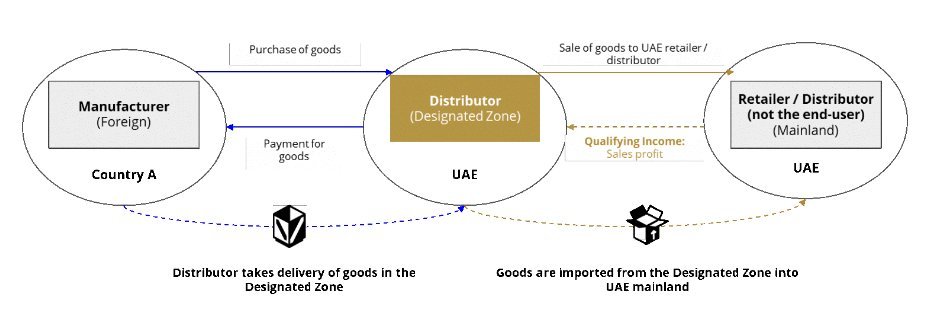
The distinction determines your tax obligation. A QFZP with mostly qualifying income pays little to no tax. A company without QFZP status or with mixed income faces the 9% rate on applicable profits.
Common misconceptions
The biggest misconception is that free zone equals tax-free. It doesn’t. Free zones are tax-efficient for international business. They’re not tax havens for domestic operations.
Another misconception: “My company is in a free zone, so I pay nothing.” Only if your income is entirely foreign-source and you maintain QFZP status. Mixed operations get complicated fast.
People also think QFZP status is automatic. It’s not. You have to apply and maintain compliance. The tax authority reviews QFZP claims. You need documentation showing that your business is genuinely international-facing.
Free zone corporate tax is legitimate tax planning. It rewards companies that operate globally. But it’s not a blank check. Understanding your specific situation, your income sources, your QFZP eligibility, your qualifying income, is essential. tax.gov.ae has detailed guidance, but professional advice from skrooge.ai and similar providers saves you from expensive mistakes.