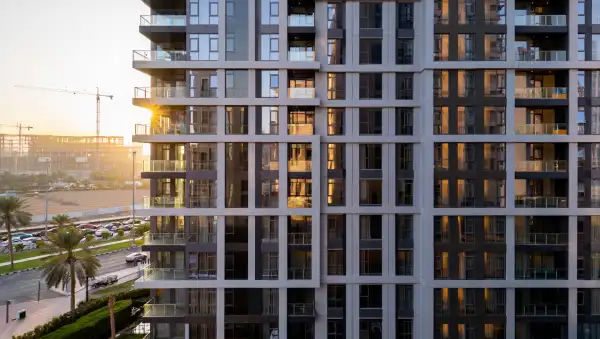
Buying “secondary” property—homes that have already been handed over—is often the fastest path into Dubai real estate. You can see the exact unit, inspect service history, and start renting (or living) almost immediately.
This guide explains the upside and the pitfalls, typical costs, where investors are looking in 2026, and a clean three-step purchase flow—so you can buy with confidence.
What counts as secondary—and why it matters
Simple definition
Simple definition. A secondary (resale) property is a completed home with title issued—you purchase from an existing owner, not a developer. For a step-by-step overview, see resale property in Dubai.
Why many buyers prefer resale
Price discovery: you can compare like-for-like sales in the same tower or street.
Lower handover risk: the building exists; you can audit quality, noise, views, and service charges.
Immediate use: keys (and rental income) can follow right after transfer.
Key benefits in 2026
Faster timelines
Resale transfers can be completed in days once financing is ready, especially for cash buyers, letting you capture rental seasons without construction delays.
Established communities
Neighborhoods like Dubai Marina, JBR, Downtown, JVC, and Dubai Hills offer mature amenities—schools, malls, metro links—that support stable occupancy and pricing.
Clearer rental math
With real utility bills and building service records, you can model a realistic net yield instead of relying on brochure estimates.
Challenges to plan for
Due diligence beyond the brochure
Request recent service-charge statements, owners’ association minutes, and maintenance logs. Check façade, elevators, chiller systems, and any special assessments.
Lender and valuation gaps
Banks lend against the lower of the purchase price or the valuation. If the valuation comes in short, you must top up cash or renegotiate.
Service charges & sinking funds
Annual fees vary by community and specification (e.g., podium pools, chilled water, concierge). Factor them into net yield, not just gross rent.
Costs & fees
| Cost item | Typical notes |
|---|---|
| DLD transfer fee | 4% of purchase price (paid at trustee office) |
| Trustee/registration | Fixed schedule by unit value; budget a few hundred to a few thousand AED |
| NOC from developer | Admin fee to confirm no dues outstanding |
| Agency fee | Commonly up to 2% + VAT (negotiable) |
Tip: Always verify the current DLD/Trustee schedule at the time you book the transfer; fee tables can be updated.
Where buyers are focusing
Established hotspots
Dubai Marina / JBR / Downtown: liquidity, short-let potential (subject to permit), and premium tenant demand. Expect tighter yields but resilient occupancy.
Value districts
JVC / Al Furjan: competitive entry prices with improving retail and road links; attractive for long-term tenants seeking value.
Family communities
Dubai Hills Estate / Arabian Ranches 2–3: parks, schools, and villa/townhouse formats drawing end-users; steady resale interest and durable rent.
Growth corridors
Dubai South / Expo-adjacent zones: long-run bet tied to logistics, aviation, and new infrastructure; focus on connectivity and developer track record.
Rental yields & smart strategies
What to model
Gross yields in value districts can outpace prime cores, but net yield depends on: service charges, chiller, furnishing, and vacancy. Model conservative voids (e.g., 2–4 weeks) and include renewals caps where relevant.
Three moves that improve returns
- Target livability, not just price. Floor plan efficiency, light, and noise drive renewals.
- Furnish smartly. Mid-range, durable packages reduce turnaround time without premium capex.
- Use pro management. A good manager lifts occupancy and compliance (ejari, inspections) for a modest fee.
Clean three-step buying flow
- Pre-approval & checks
Secure bank pre-approval (or proof of funds). Shortlist with a RERA-licensed agent. Order an independent snag/condition report for peace of mind. - MOU, valuation & NOC
Sign the Form F/MOU, pay the reservation deposit into the agreed escrowed path, and coordinate bank valuation. Seller clears service-charge arrears. Developer issues the NOC. - Trustee transfer & handover
Meet at a DLD-accredited trustee office, settle fees, and transfer the title. Take meter readings, change access cards, update DEWA/Empower, and—if renting—start marketing immediately.
Lender tips (if financing)
Structure your file the right way
Stable income proof: salary letters or audited accounts for business owners.
Clean liabilities picture: settle credit-card spikes a month before the bank statements you’ll submit.
Rate type: compare fixed vs. variable and understand early-settlement costs if you plan to refinance.
Compliance & ownership considerations
Freehold zones & shares
Foreign buyers can purchase in designated freehold areas and hold specified shares (e.g., couples, partners). Confirm building-specific rules in mixed-use towers.
Contracts & transparency
Your Sale and Purchase Agreement (SPA) and the signed Form F should reflect every cost and date—not just price. Keep all addenda (furnishings, inclusions) explicit. Engage a UAE real-estate lawyer for contract review and completion support.
FAQs
Is secondary cheaper than off-plan?
Often, but not always. In some launches, developers price aggressively. With resale you trade “early-bird” pricing for certainty and immediate use.
Can I short-let a resale apartment?
Only where permitted by building policy and emirate rules. You typically need a holiday-home permit and compliant management.
How long does a financed resale take?
Commonly 3–6 weeks from MOU to transfer if documents are clean and valuation matches. Cash deals can close much faster.