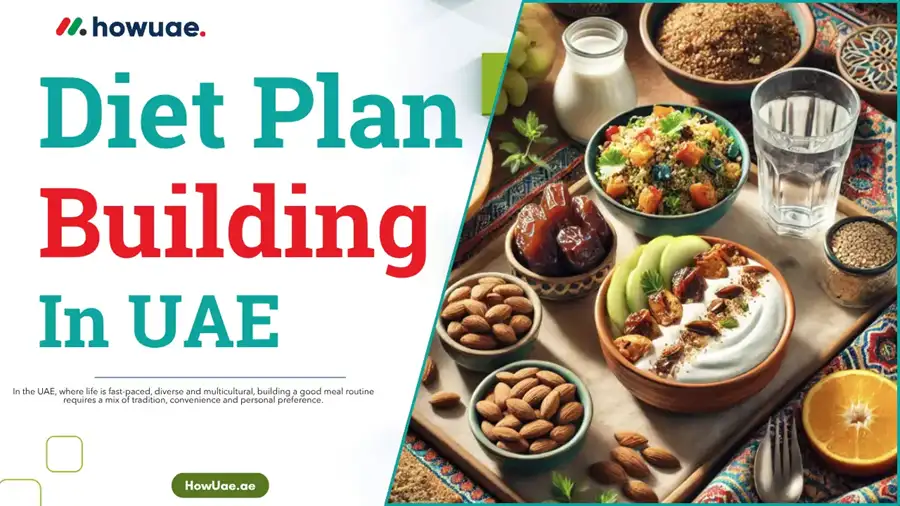
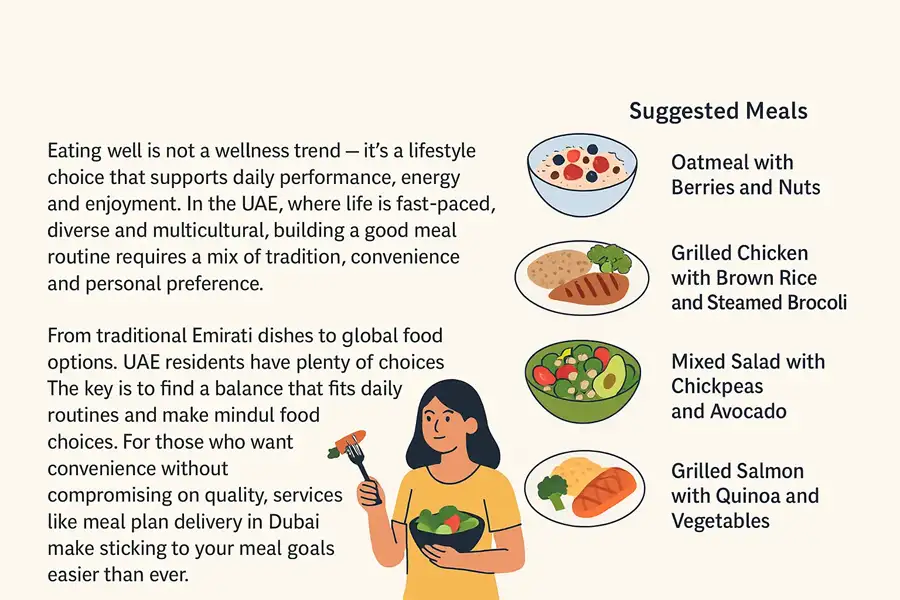
Eating well is not a wellness trend – it’s a lifestyle choice that supports daily performance, energy and enjoyment. In the UAE, where life is fast-paced, diverse and multicultural, building a good meal routine requires a mix of tradition, convenience and personal preference.
From traditional Emirati dishes to global food options, UAE residents have plenty of choices. The key is to find a balance that fits daily routines and make mindful food choices. For those who want convenience without compromising on quality, services like meal plan delivery in Dubai make sticking to your meal goals easier than ever.
Everyday Food Choices in the UAE
The UAE has a foodie heaven. Residents have everything from home cooked Arabic food to international fast food, buffets and fine dining. But with busy schedules and high temperatures most of the year, maintaining a consistent and practical eating routine is key to keeping energy levels up and mealtimes enjoyable.
Whether you’re shopping at a local market or using online food delivery, building a balanced approach to meals starts with knowing what to include in your daily diet.
Components of a Balanced Meal Routine
Below is a general breakdown of food categories recommended for balanced meals. These are not medical guidelines but general lifestyle considerations based on widely accepted eating patterns suitable for many people living in the UAE’s climate and culture.
1. Whole Grains and Complex Carbohydrates
Whole grains like brown rice, oats, quinoa and whole wheat bread will help you sustain energy throughout the day. These are also great for people with active lifestyles, they will keep you fuller for longer compared to refined grains.
2. Protein Sources
Including protein in your meals is important for daily activities, fitness routines or just to stay satisfied between meals. UAE residents often include:
- Grilled chicken and fish
- Eggs and legumes
- Low fat dairy products
- Plant based proteins like tofu or lentils
This mix allows for flexibility across cultural preferences and dietary
3. Healthy Fats
Adding nuts, seeds, olive oil and avocados to meals gives flavour and texture. Fatty fish like salmon or mackerel are also popular for those who eat seafood. These foods are common in Mediterranean and Middle Eastern diets which are widely enjoyed in the UAE.
4. Fruits and Vegetables
Fresh produce is widely available in the UAE, local and imported. Some favourites are:
- Dates (a traditional staple)
- Cucumbers and tomatoes
- Leafy greens and herbs like mint and parsley
- Seasonal fruits like melons, figs and citrus
Many residents shop at local farmers markets, supermarkets or online grocery apps to get fresh fruits and vegetables regularly.
5. Dairy and Alternatives
Foods like low fat yogurt, laban (a traditional fermented milk drink) and plant based milks are part of daily life in the UAE. For those who don’t eat dairy, almond milk, soy milk and oat milk are widely available in stores across the Emirates.
6. Staying Hydrated
Given the UAE’s desert climate hydration is a big part of daily routines. Many residents carry reusable water bottles with them throughout the day. Hydrating foods like watermelon and cucumbers are also consumed with water, herbal teas and fresh juices.
Meal Timing and Portion Awareness
In addition to food choices, meal timing and portion control is part of a practical eating strategy in the UAE. Many residents balance traditional mealtimes with modern routines. For example:
- Breakfast is quick and nutritious, oats, smoothies or Arabic bread.
- Lunch is the biggest meal of the day depending on work schedules.
- Dinner is lighter and later in the evening due to cultural and social norms.
Being mindful of portion sizes especially when dining at buffets or during celebrations can support long term personal goals for wellness or energy management.
Convenience and Modern Solutions
For those with busy work schedules, sticking to meal planning can be tough. But the UAE has a growing number of meal plan delivery in Dubai and Abu Dhabi to cater to different preferences such as:
- Plant based meal plans
- High protein fitness meals
- Family meal plans
- Calorie conscious programs
These services provide residents with ready to eat meals tailored to their lifestyle needs making healthy eating easier in a busy life.
Embracing UAE’s Food Culture
Part of living in the UAE is experiencing the food culture. Traditional Emirati cuisine, Levantine mezze, Indian curries, Asian stir fries and European café meals are all part of daily life here. The key is to enjoy these food experiences while making choices that support your lifestyle goals.
Some strategies residents use include:
- Choosing grilled options over fried when dining out
- Sharing desserts or sweets at social gatherings
- Incorporating home-cooked meals during weekdays to balance restaurant dining
- Using local markets to source fresh, seasonal produce
Practical, Not Perfect
Living a balanced life in the UAE doesn’t have to be perfect. It’s about making thoughtful, achievable choices that align with your goals, cultural values and daily routines.
By:
- Convenience without compromise
- Eating traditional and modern food mindfully
- Staying hydrated and nourished for the climate
- Adjusting meal times to fit your schedule
You can create a long term, sustainable eating habit for the UAE lifestyle.
References and Information Sources
This article is for general information purposes only related to lifestyle and food culture in the UAE. Not medical or nutritional advice. For personalized health advice consult a licensed healthcare provider or registered dietitian.
Additional resources and general references:
- UAE Ministry of Climate Change & Environment – Seasonal local produce guide: https://www.moccae.gov.ae
- Food and Agriculture Organization (FAO) – Global dietary guidelines and food-based recommendations: http://www.fao.org/nutrition
- Dubai Health Authority (DHA) – Community health and lifestyle tips: https://www.dha.gov.ae
- UAE Food Security Office – Fresh food market insights and accessibility reports: https://foodsecurity.gov.ae
Disclaimer:
This article is for general informational purposes related to daily lifestyle and food habits in the UAE. It is not a substitute for professional medical advice, diagnosis, or treatment.