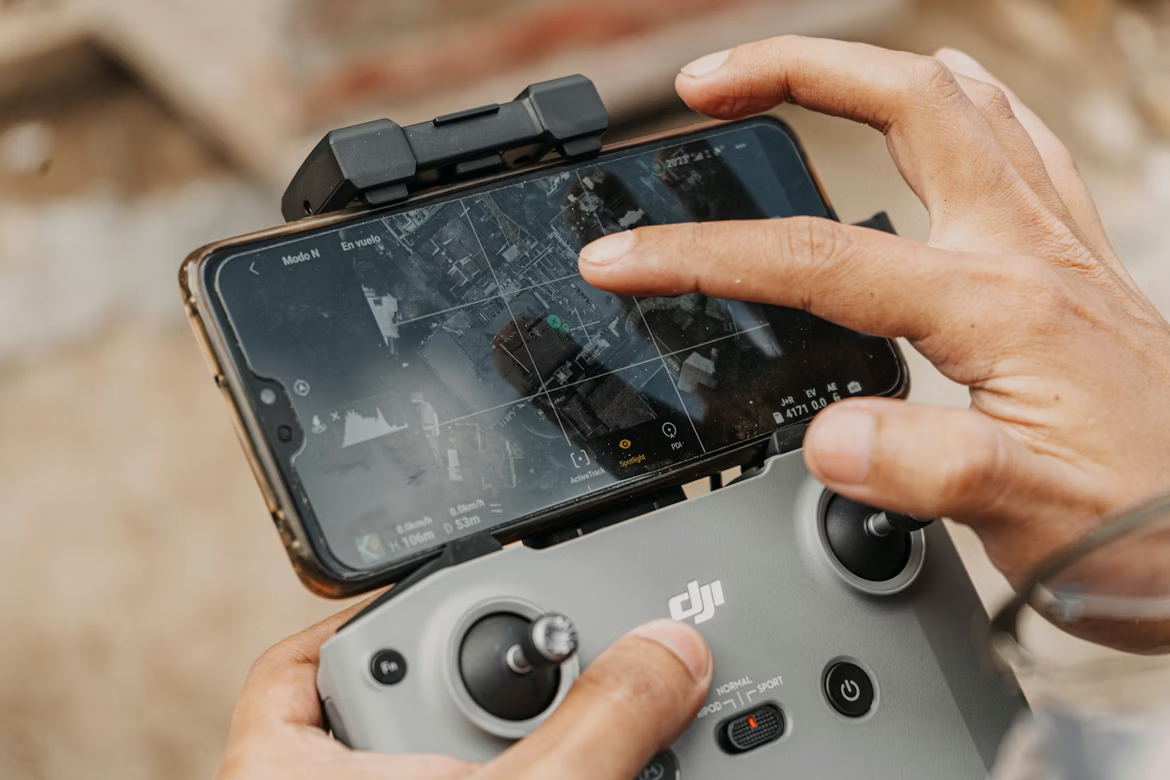
The advancement of unmanned aerial systems has led to the development of sophisticated on-board processing units that operate independently of external networks. Modern FPV drone with autonomous tracking technology relies on edge computing to handle complex visual data in real time directly on the aircraft hardware. This approach eliminates the need for cloud-based processing, which is often impossible due to signal jamming or the absence of high-speed internet. This article explores how these systems process visual information to assist pilots during critical mission phases.
The Role of Edge Computing in Modern Drone Systems
Edge computing refers to the practice of processing data near the source of its generation rather than relying on a centralized data center. For high-speed aerial platforms, this means the onboard microcomputer must analyze every frame of the video feed to identify patterns and movement without delay.
Key advantages of onboard edge computing include:
- near-zero latency in data processing, which is vital for maintaining flight stability;
- ability to function in environments with complete electronic warfare suppression;
- reduced reliance on high-bandwidth communication links for complex tasks;
- increased operational security as sensitive visual data stays on the localized system.
By hosting the intelligence on the aircraft itself, the system remains resilient against the loss of a data connection. Even if the video feed to the operator becomes noisy, the internal processor continues to interpret the environment based on pre-programmed algorithms.
Machine Vision and the Terminal Guidance Process
It is a common misconception that drones with integrated algorithms are fully autonomous lethal systems. In reality, SkyCraft platforms follow a human-centric operational model where the pilot is responsible for the majority of the mission. The drone remains a tool under the direct command of the operator.
The integration of machine vision serves as a specialized assistant during the final stage:
- The operator manually navigates the drone toward the intended area using the primary feed.
- Upon identifying a target, the pilot manually initiates a lock through the control interface.
- At this moment, the onboard edge processor takes over the fine-tuning of the flight path.
- Using machine vision, the drone identifies the visual contrast of the target to maintain its trajectory.
- The system automatically compensates for sudden movements or wind gusts during the final approach.
This terminal guidance is designed to overcome the loss of control that often occurs during the last few meters of a flight when jamming is most intense. The operator remains the primary authority, setting the objective while the machine ensures the physical execution remains precise.
Hardware Requirements for Localized Visual Processing
To run advanced machine vision algorithms without a cloud connection, drones require specialized hardware capable of high computational output with minimal power consumption. These units are often referred to as Vision Processing Units (VPUs) integrated into the flight controller.
| Component | Technical Function | Impact on Operation |
| High-Speed ISP | Processes raw camera data into clean frames | Improves object recognition in low light |
| Neural Engine | Executes machine vision algorithms | Enables real-time target tracking |
| Low-Latency RAM | Stores temporary visual maps of the target | Ensures smooth trajectory adjustments |
| Thermal Shielding | Dissipates heat from intensive computing | Prevents hardware throttling |
The transition from simple remote control to edge-assisted flight represents a significant leap in the reliability of tactical tools in contested environments.
These hardware solutions must be lightweight enough not to compromise flight time or agility. Modern engineering allows for the integration of these chips into compact frames without significant weight penalties.
Reliability and Ethics of Human-in-the-Loop Systems
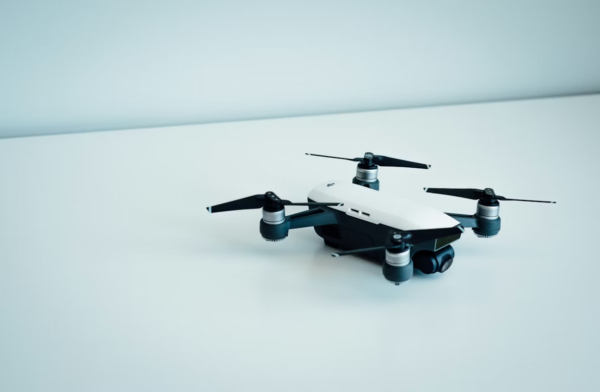
Maintaining a human-in-the-loop architecture is a fundamental principle of modern operational ethics. By ensuring the drone cannot select its own targets, manufacturers maintain a clear chain of responsibility and control.
The reliability of these assisted systems is built upon several pillars:
- consistent training of algorithms on diverse datasets to recognize objects in various terrains;
- fail-safe protocols that return control to the pilot if the visual lock is lost;
- robust encryption between the pilot interface and the onboard edge computer;
- high-resolution optics that provide the processor with high-quality data.
The integration of edge computing and machine vision is transforming FPV platforms. These drones are not autonomous hunters but advanced tools that augment the skills of the human pilot. By processing data locally, they overcome the limitations of cloud connectivity and electronic warfare. The synergy of human decision-making and machine-led precision creates a resilient system for demanding scenarios. Exploring these developments reveals a future where technology ensures the success of the operator. As technologies evolve, the focus remains on enhancing reliability and pilot safety. The result is a sophisticated aerial platform that remains effective when all external communications fail.