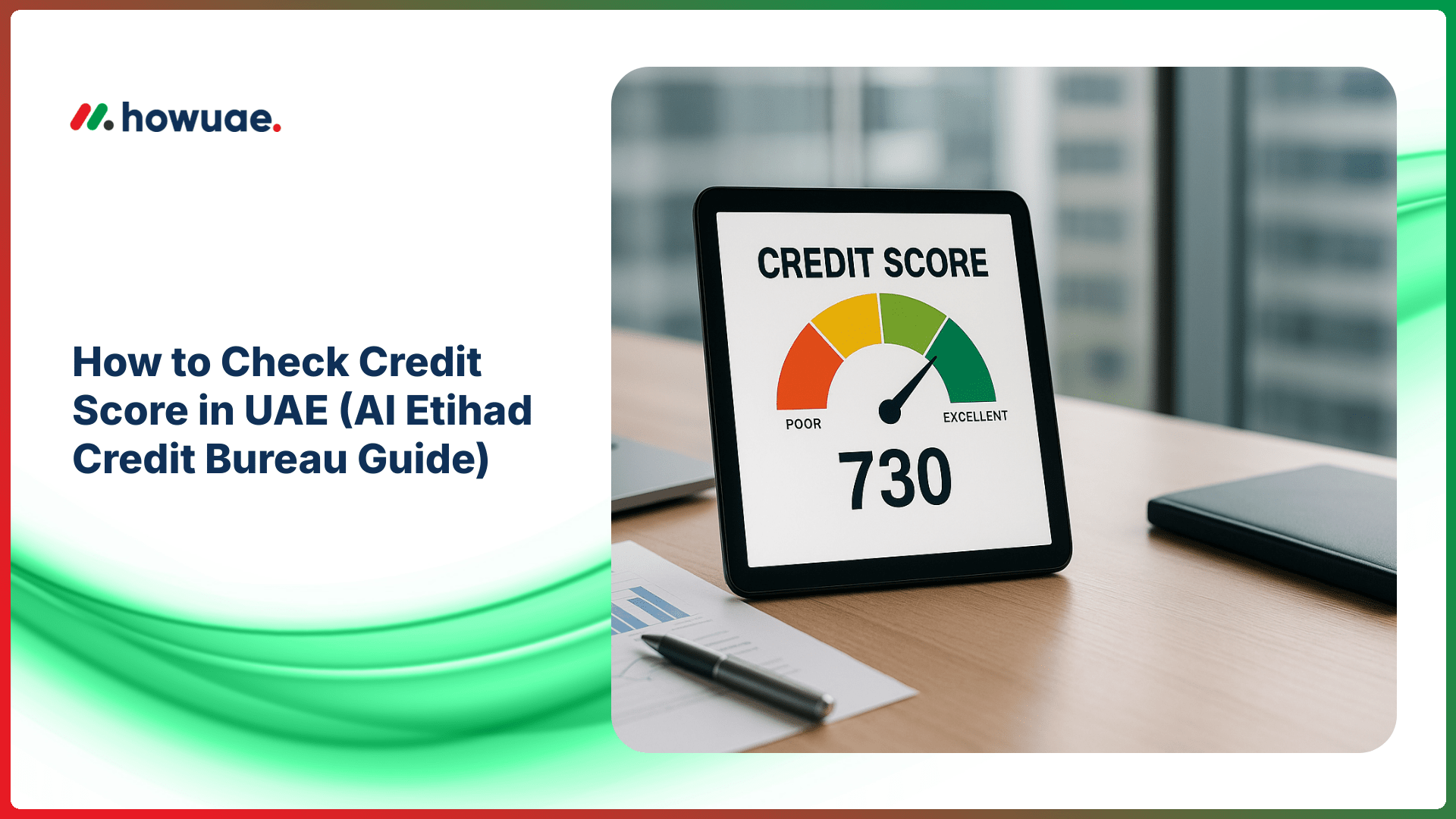
If you’re applying for a credit card, personal loan, car finance, or even a postpaid plan, your credit report matters. This guide shows you exactly how to check credit score UAE using Al Etihad Credit Bureau (AECB), what it costs, what documents you need, and how to fix common issues before you apply for financing.
What is AECB and why your credit score matters in the UAE
Al Etihad Credit Bureau (AECB) is the UAE’s official credit bureau that collects and provides credit information about individuals and companies. Lenders (banks and finance companies) may use your AECB score and credit report to assess risk and decide your eligibility, limits, interest/profit rates, and approval speed.
For official information and access, use the Al Etihad Credit Bureau (AECB) official website.
What you can download from AECB (score vs credit report)
AECB typically provides:
- Credit Score: a number that summarizes your credit profile.
- Credit Report: detailed history of credit facilities (credit cards, loans, limits, payment behavior), inquiries, and active/closed accounts.
If you’re preparing for a loan, it’s smart to get the full report—not just the score—so you can spot any incorrect accounts or late-payment markings.
How to check your credit score in UAE (step-by-step)
You can request your score/report through AECB’s digital channels. The exact screen names can change over time, but the process remains similar.
Method 1: Check via AECB website (online)
Steps:
- Step 1: Visit the AECB portal and choose the option to request your Credit Score or Credit Report.
- Step 2: Sign up / sign in (you may need identity verification).
- Step 3: Enter your details (commonly Emirates ID details, mobile number, and verification steps).
- Step 4: Select the product (score only or full report).
- Step 5: Pay the fee online and download your report/score.
Before you begin, ensure your Emirates ID is valid and your registered mobile number is active. If you need help with related identity services, you may also want to review guidance on Emirates ID tracking and delivery updates.
Method 2: Check via AECB mobile app
Steps:
- Step 1: Install the official AECB app on your phone.
- Step 2: Register / log in and complete identity verification.
- Step 3: Choose Credit Score or Credit Report.
- Step 4: Pay the fee in-app.
- Step 5: View or download your document.
Using the app is often the fastest option if you want to re-check your profile before applying for products like a personal loan in the UAE or credit card.
Method 3: Request through participating banks/financial institutions
Some banks may help you access AECB information during an application process. However, for the most accurate and complete view, it’s better to request it directly from AECB first—so you can verify details before any lender inquiry is placed on your file.
Fees: How much does it cost to get AECB credit score or report?
Fees can change based on AECB pricing updates and the product type (score, report, or add-ons). In general:
- Credit Score: usually cheaper than the full report.
- Credit Report: costs more due to the detailed account history.
- Additional copies or certain requests: may have separate charges.
Always confirm current fees inside the official AECB channels before payment. Budgeting for these checks is useful if you’re comparing lenders or preparing multiple applications.
What you need to check your credit score (requirements)
Most applicants need:
- Emirates ID (number and/or details used for verification)
- UAE mobile number (OTP verification)
- Basic personal details (name, date of birth, etc.)
- Payment method (card or supported online payment option)
If you’re in the middle of residency paperwork or status checks, handle those first to avoid delays. For example, it may help to confirm your status using an official route such as the ICA visa validity check steps.
How to read your AECB credit report (quick checklist)
Once you download your report, review these sections carefully:
- Personal details: Name spelling, Emirates ID, phone number.
- Credit facilities: Loans, credit cards, limits, outstanding balances.
- Payment history: Any late payments or missed installments.
- Credit inquiries: How many lenders checked your file recently.
- Defaults/collections: Serious negative items if any.
Tip: If you’re planning to apply for a loan soon, avoid submitting multiple applications at once—too many inquiries in a short period can be a red flag for lenders.
Common reasons your UAE credit score drops
Your score can go down due to:
- Late payments (even small delays on cards or loans)
- High utilization (using most of your credit card limit)
- Too many credit applications in a short time
- Unpaid telecom bills or recurring payment issues
- Disputed/incorrect records that were never corrected
How to improve your credit score in the UAE (practical actions)
To improve your profile, focus on consistent payment discipline and reducing risk indicators:
- Pay on time: Set auto-pay for minimum due (then pay more if possible).
- Lower card utilization: Aim to keep usage comfortably below your limit.
- Don’t close old accounts unnecessarily: Older, well-managed accounts can help your profile.
- Limit new applications: Apply only when necessary, and space them out.
- Clear overdue items: If you have legal/financial issues, resolve them before applying for new credit.
If you’re settling end-of-employment dues or planning a move, keeping your finances clean can prevent future issues with approvals. It may also help to understand visa cancellation and final settlement steps so you don’t leave unpaid obligations behind.
What to do if your AECB report has an error
If you find incorrect data (wrong account status, incorrect overdue amount, or accounts that aren’t yours):
- Collect evidence (bank statements, clearance letters, payment receipts).
- Contact the reporting institution (bank/finance company/telecom) to correct it.
- Raise a dispute via AECB if required through their official channels.
- Re-check your report after the correction is processed.
For broader consumer protection and banking guidance in the UAE, you can also refer to the Central Bank of the UAE website for official updates and resources.
FAQs: Check credit score UAE
How often should I check my credit score in the UAE?
Check it before major applications (loan, credit card, mortgage) and then periodically (for example, every few months) to catch errors early—especially if you recently settled a loan or changed employers.
Does checking my own AECB credit score reduce my score?
Checking your own score/report through AECB is generally considered a consumer request and is different from lender inquiries. Lender inquiries made during credit applications can impact how lenders view your risk, so apply thoughtfully.
What is a “good” credit score in the UAE?
AECB uses scoring bands that lenders interpret based on risk. “Good” depends on the lender’s internal policy and the product type (personal loan vs credit card). Focus on clean payment history, low utilization, and stable credit behavior.
Can I get a loan with a low credit score in the UAE?
Some lenders may still consider you, but you might face higher rates, lower limits, stricter eligibility, or rejection. If you’re exploring options, compare requirements carefully and avoid risky shortcuts (such as informal lending arrangements).
Is AECB credit score linked to Emirates ID?
Yes, your credit profile is typically matched using your identity details, including Emirates ID information, so accurate ID data is important for correct reporting.
How long do late payments affect my credit profile?
Negative payment behavior can affect your profile for a significant period depending on the severity and how your lender reports it. The best fix is consistent on-time payments moving forward and clearing any overdue amounts as soon as possible.
Final checklist before you apply for finance
Before you submit a credit card or loan application, do this:
- Download your AECB report and verify all accounts.
- Pay any overdue balances and keep utilization low.
- Avoid multiple applications in the same week/month.
- Keep proof of settlement for any closed loans/cards.
Following these steps will help you check your credit score confidently and improve your approval chances with UAE lenders.