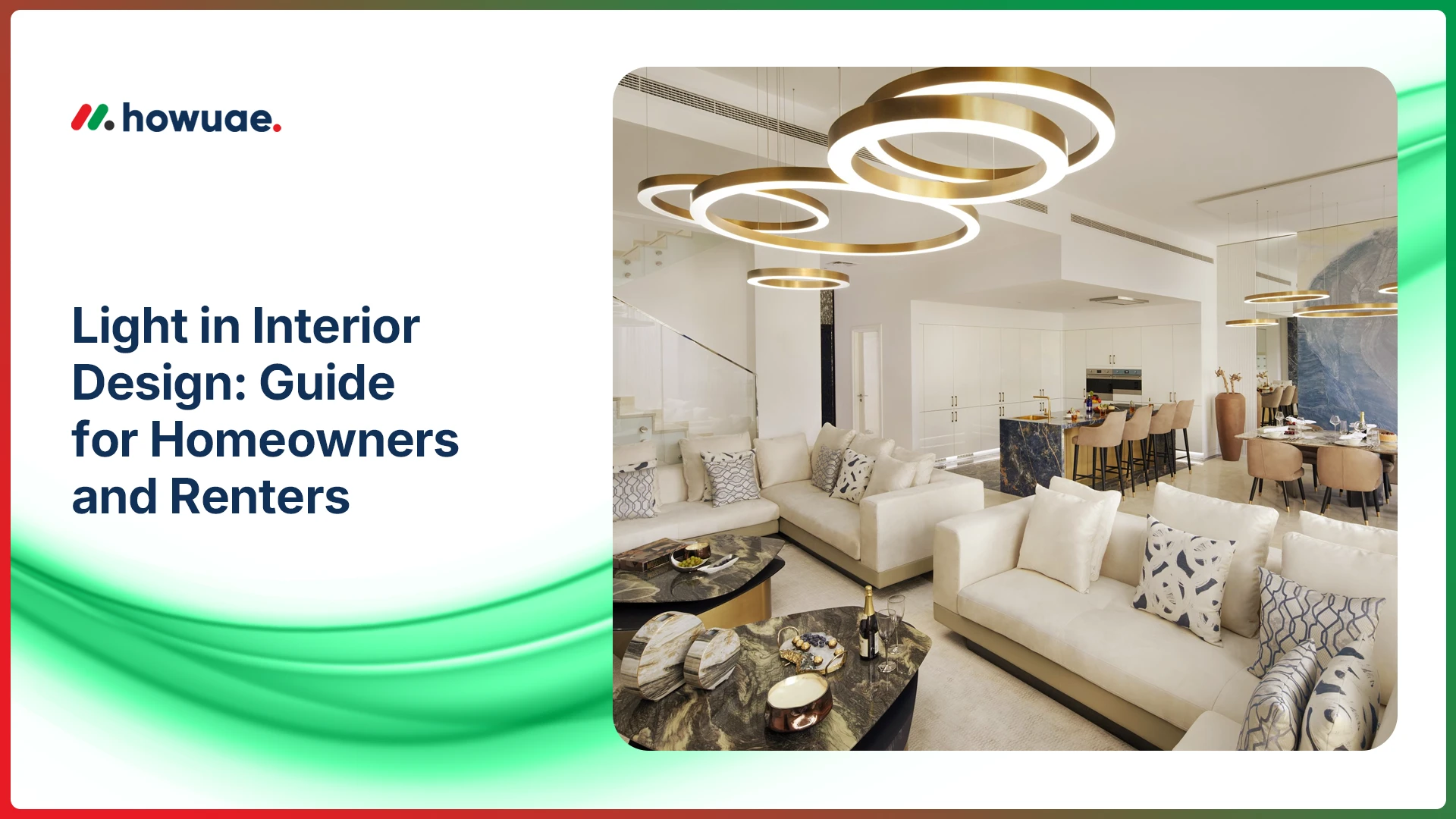
Have you ever walked into a room and instantly felt calm, energized, or incredibly cozy, without quite knowing why? More often than not, the secret lies in how the space handles illumination. Whether you own your forever home or rent an apartment, mastering the art of illumination can completely transform your daily life.
When we think about decorating a space, we usually focus on furniture, paint colors, and decorative accessories. However, without the right setup, even the most beautifully designed room can feel flat, cold, or uninviting. This comprehensive lighting guide is built to help you navigate the essential principles of illumination, ensuring your space is both stunning and practical.
Understanding Light in Interior Design: Ambient, Task, and Accent
To build a successful setup, you first need to understand that not all illumination serves the same purpose. Professional designers rely on a layered approach to bring a room to life. Achieving the perfect balance of light in interior design requires combining three fundamental types of illumination:
- Ambient Lighting: This is the foundation of your room’s illumination, also known as general lighting. It provides a uniform wash of brightness across the entire space, allowing you to move around safely and comfortably. Common sources include recessed ceiling fixtures, flush-mounts, or large central chandeliers that distribute light evenly throughout the room.
- Task Lighting: As the name suggests, this type is highly focused and intended to help you perform specific activities. Whether you are chopping vegetables in the kitchen, reading a novel in bed, or working from a home office, targeted fixtures help you avoid eye strain. Desk lamps, under-cabinet LED strips, and adjustable reading lights are perfect examples.
- Accent Lighting: This layer adds drama, depth, and personality to a room by drawing attention to specific visual elements. You can use it to highlight a beautiful piece of artwork, an architectural feature like a brick wall, or a collection of books on a shelf. It typically uses directional fixtures, such as track lights, picture lights, or wall sconces, to create visual interest.
By blending these three layers, you avoid the common mistake of relying on a single, harsh overhead fixture. Instead, you create a dynamic, multi-dimensional space that adapts easily to whatever you are doing.
Lighting by Room: Kitchens, Living Rooms, Bedrooms, and Bathrooms
Every area in your house serves a distinct purpose, meaning a one-size-fits-all approach will not work. Tailoring your choices to the specific function of each area is key to an effective home lighting layout. Let us look at how to approach a practical lighting by room strategy across the main spaces of your household:
- The Kitchen: Often called the heart of the home, the kitchen is primarily a high-activity workspace. Here, task illumination is critical. Install bright under-cabinet LED lights to safely illuminate your countertops. Complement these with pendant fixtures over an island for a stylish touch, and use reliable ambient ceiling lights to tie the whole workspace together.
- The Living Room: This is a multi-functional space used for entertaining guests, watching movies, reading, or relaxing after a long day. Flexibility is essential here. Combine a central dimmable overhead fixture with multiple floor and table lamps in the corners to create a warm, inviting atmosphere. Accent fixtures can also be used to showcase family photos or artwork.
- The Bedroom: Your bedroom should be a peaceful sanctuary dedicated to rest. Avoid harsh, bright overhead fixtures. Instead, focus on warm, soft ambient choices. Place adjustable reading lamps on nightstands for evening reading, and consider adding low-intensity LED strips behind the headboard or under the bed frame for a subtle, soothing glow.
- The Bathroom: Accuracy is everything, especially around the mirror for grooming, shaving, or applying makeup. Avoid placing lights directly overhead, as this creates harsh shadows on your face. Instead, mount wall sconces on both sides of the mirror at eye level to provide even, flattering illumination across your face.
Applying a thoughtful lighting-by-room approach ensures that every square foot of your living space functions optimally while looking its absolute best.
Creating a Cohesive Lighting Scheme for Your Home
Now that you understand the different layers and room requirements, the next step is connecting them all. Developing a unified lighting scheme helps your entire home feel balanced and connected, preventing a jarring experience as you walk from one room to another.
To design a successful layout, start by mapping out how you use each room throughout the day. Consider the natural brightness that enters through windows and how it changes throughout the day. A great lighting guide tip is to select a consistent color temperature for your light bulbs across open-plan areas. Warm white bulbs (around 2700K to 3000K) create a cozy, welcoming feel that works beautifully in living rooms and bedrooms, while cool white bulbs (around 4000K) are better suited for task-heavy spaces like utilities or home offices.
- Use Dimmers: Installing dimmer switches is the easiest and most affordable way to improve your home’s environment instantly. They give you total control over the brightness levels, allowing you to change a room from a bright workspace into an intimate evening retreat at the turn of a dial.
- Consider Visual Scaling: Ensure the physical size of your fixtures matches the scale of your rooms. A tiny pendant light will look lost over a massive dining table, while an oversized chandelier can easily overwhelm a compact entryway with low ceilings.
- Maintain a Consistent Style Palette: While fixtures do not need to match perfectly, they should share a common design language. You can achieve this by sticking to a similar metal finish (such as brushed brass or matte black) or a cohesive design style (such as mid-century modern or industrial) throughout the visible spaces.
A well-planned lighting scheme bridges the gap between individual rooms, creating a harmonious flow that makes your entire home feel intentionally designed and deeply comfortable.
Secondary Lighting: When and Where to Use It
While general overhead fixtures do the heavy lifting, smaller accents play a massive role in making a space feel premium, thoughtful, and fully customized. This is where secondary lighting comes into play, serving as the secret weapon for both homeowners and renters looking to elevate their interior style.
These secondary elements are not necessarily there to light up the whole room, but rather to fill in gaps, eliminate dark corners, and introduce visual texture. They are especially beneficial for renters because many secondary options are completely plug-and-play, requiring absolutely no permanent drilling or electrical rewiring.
- Wall Sconces: Perfect for framing a fireplace, lighting up a dark hallway, or saving space on bedside tables. Renters can easily find battery-powered or plug-in sconces that offer a permanent, high-end look without damaging walls.
- LED Strip Lighting: These flexible, adhesive strips can be placed almost anywhere. Stick them underneath bookshelves, behind your television to reduce eye strain (bias lighting), or under toe-kicks in the kitchen or bathroom for a stunning nightlight effect.
- Cordless Rechargeable Lamps: A massive modern trend, these highly portable lamps can be placed anywhere, regardless of wall outlets. Use them on a dining table for a candlelit dinner vibe, or place them on deep window sills and floating shelves to add warmth to unexpected spots.
Integrating smart secondary lighting options lets you effortlessly customize your environment, adding layers of warmth precisely where and when you need them most.
The Importance of Lighting in Mood and Functionality
Ultimately, understanding the true importance of lighting goes far beyond simple interior aesthetics. The way you illuminate your home has a direct, scientifically proven impact on your physical health, emotional well-being, mood, and daily productivity levels.
Our bodies rely heavily on natural light cycles to regulate our internal clocks. Exposure to bright, cool illumination during the day keeps us alert, focused, and productive. Conversely, relaxing under soft, warm tones in the evening signals to our brain that it is time to wind down, promoting better, deeper sleep. By taking control of the light in interior design, you are actively choosing to create a healthier, happier living environment for yourself and your family.
- Enhancing Spatial Perception: Small, cramped rooms can instantly feel larger, airier, and more open when illuminated correctly. Bouncing brightness off walls and ceilings eliminates dark corners, tricking the eye into perceiving more space.
- Boosting Daily Productivity: Working, cooking, or studying in a dimly lit room can cause eye strain, headaches, and physical fatigue. Proper task placement ensures you stay sharp, energized, and focused on the task at hand.
- Setting the Emotional Tone: The color and intensity of your bulbs can instantly shift a room’s atmosphere from energetic and vibrant to intimate, calm, and relaxing, giving you the power to set the perfect mood for any occasion.
Never underestimate the deep importance of lighting in your home. It is the invisible element that binds architecture, color, and furniture together. By implementing a thoughtful lighting scheme and exploring creative options, you can easily turn any house or apartment into a functional, beautiful, and deeply comforting home.