Living in the United Arab Emirates is no small matter; there are modern cities, safety, and vast opportunities. However, when you’re an expat trying to connect with your family back home through WhatsApp or Skype, you’ve likely faced a frustrating obstacle known as VoIP restrictions.
Calls don’t go through. The apps are excellent messaging tools, but the green call button? Disabled and unusable. So, what’s the most effective way to stay in touch while in the UAE? The answer is simple: they use VPN networks (Virtual Private Networks). But not just any VPN. What’s the truth, then? Why are they a lifeline for many? And what should you know before hitting the “Call” icon?
Why Are WhatsApp and Skype Calls Blocked in the UAE?
The United Arab Emirates enforces strict regulations on websites and apps that use internet calling. Voice and video call services from providers such as WhatsApp, Skype, FaceTime, and Messenger are banned to prevent people from bypassing traditional telecommunication companies like Etisalat and Du. This isn’t a glitch — it’s policy.
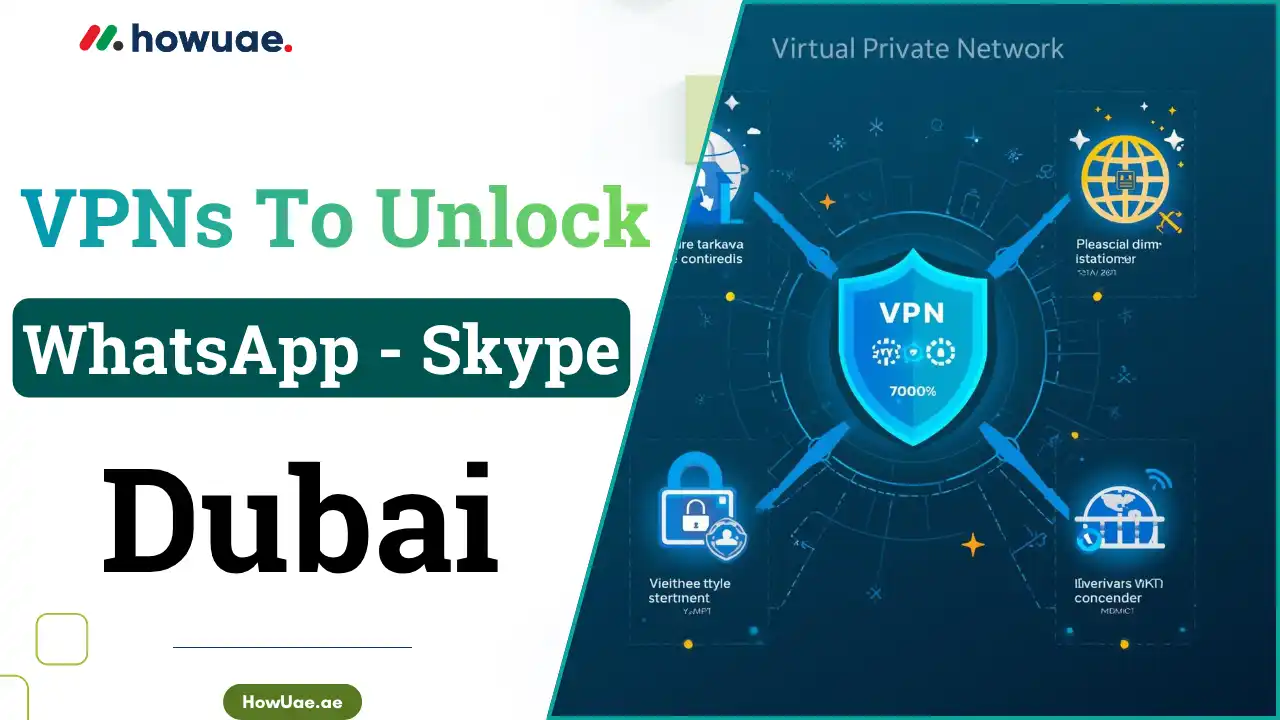
VPN networks are encrypted tools that hide your IP address and make apps think the user is in a different location, thereby making blocked features usable again.
How VPNs Help Expats Connect Freely
Using a VPN in the UAE works by rerouting your internet connection through another country. This allows you to use apps such as:
- Voice and video calls via WhatsApp
- Skype chats for work or family
- Remote work through Teams and Zoom
- Telegram, Viber, Signal, and more
It doesn’t stop at calls. With a VPN, expats can also access their home banking services, watch restricted Netflix content, or simply browse the web without targeted ads.
Not All VPNs Work in the UAE
Here’s the catch: the UAE government blocks most VPN services. Searching for a simple free VPN won’t do the job.
The VPN you need must:
- Work with Deep Packet Inspection (DPI)
- Keep no logs and ensure complete voice privacy
- Be available on mobile as well as desktop (iOS & Android)
That’s the advantage of Planet VPN. It’s built to meet the needs of travelers, digital nomads, and expats in countries with strict controls. It’s a way to bypass UAE firewalls with minimal setup and no shady logs.
When a VPN Becomes a Lifeline
For many expats in Dubai, Abu Dhabi, or Sharjah, staying connected with home isn’t a luxury—it’s a necessity. You miss your mother’s voice. Your child wants to talk to their grandmother on FaceTime. Or maybe your client in London prefers Skype meetings. The UAE’s ban can feel like a digital disconnect from the world. Then, a reliable VPN restores that essential human link.
Is Using a VPN in the UAE Risky?
Let’s clear this up. VPNs aren’t banned from operating in the UAE. What’s illegal is using a VPN to commit crimes such as fraud. Calling your cousin in Canada via WhatsApp? Not a crime. Millions use VPNs daily for work, business, and communication. The key is choosing a trustworthy, secure VPN that doesn’t leak your data or expose your ISP connection to surveillance.
What to Look for in a UAE-Friendly VPN
When choosing a VPN in the UAE, don’t compromise. Look for:
- Unlimited data — for smooth, uninterrupted calls
- Kill switch — to protect your identity if the connection drops
- Servers near the UAE — such as India, Europe, or the UK for faster speed
- App compatibility — Android, iPhone, Windows, Mac, and routers
That’s exactly what Planet VPN offers: a no-nonsense VPN that keeps working even when others fail.
Final Words About Planet VPN
You don’t have to choose between living in the UAE and staying in touch with your family abroad. With advanced VPN technology, you no longer have to make that sacrifice. For expats, tourists, or remote workers in the UAE, VPN use isn’t optional—it’s essential.
Don’t waste hours testing poor-quality apps, or worse, lose your connection when you need it most. All you need is a reliable VPN that works in the UAE. Planet VPN is designed precisely for you.
Related Content: